Scrolling through social media, you’ve likely seen dramatic before-and-after photos, heard whispered warnings about pain, and found conflicting advice about whether microneedling actually works. With so much information floating around, separating legitimate science from exaggerated claims can feel overwhelming.
At AboutSkin Dermatology and Aesthetics, our team of Board-Certified Dermatologists has extensive experience with microneedling and advanced collagen induction therapies. Practice Director Dr. Joel L. Cohen — named a Top Doctor by US News and World Report and featured in publications like Vogue, TIME and The New York Times — has co-authored research on microneedling for scar treatment published in the peer-reviewed journal Clinical, Cosmetic and Investigational Dermatology. That kind of clinical expertise matters when evaluating what’s real and what’s rumor.
What Is Microneedling?
Microneedling (also known as collagen induction therapy) is a minimally invasive treatment that creates highly controlled micro-injuries in the skin using fine needles. These tiny punctures trigger the body’s natural wound-healing response, which stimulates new collagen and elastin production. The result? Improved skin texture, reduced scarring and a more refined complexion over time.
Myth #1: Microneedling Is Extremely Painful
Fact #1: Most Patients Describe the Sensation as Very Tolerable
The fear factor around microneedling pain is often overblown. We apply a numbing cream to your skin and allow it to take effect for 30 to 45 minutes before treatment, which significantly reduces discomfort. Most patients describe the microneedling sensation as mild prickling or light sandpaper-like pressure across the skin. The intensity can also be adjusted during your session if needed. Severe pain simply isn’t part of the equation for the vast majority of people.
Myth #2: At-Home Microneedling Devices Work Just as Well as Professional Treatments
Fact #2: Professional Microneedling Reaches Depths At-Home Tools Cannot
This is perhaps the most persistent misconception. At-home dermarollers typically feature needles between 0.25mm and 0.5mm, which are depths that barely penetrate the epidermis (outermost skin layer). While these shallow devices may enhance the absorption of some of your topical products, they cannot stimulate the significant collagen remodeling needed for meaningful skin improvement.
Professional microneedling devices used by Board-Certified Dermatologists penetrate 1.5mm to 2.5mm or deeper, reaching the dermis where collagen and elastin production occurs. Research confirms that treating acne scars effectively often requires depths of 1.5mm or greater. At-home devices also carry risks of inconsistent pressure, improper sterilization and potential tissue tearing from the rolling motion. These concerns are eliminated with professional automated pens that stamp vertically.
Myth #3: Microneedling Requires Weeks of Downtime
Fact #3: Recovery Typically Takes 24 to 48 Hours
Unlike ablative laser treatments that may require a week or more of social downtime, microneedling recovery is remarkably brief. According to a systematic review published in Aesthetic Plastic Surgery, transient erythema (temporary redness) was the most common side effect at just 6.8%, with scaling and burning sensations occurring in fewer than 2% of patients.
Expect skin redness similar to a mild sunburn for one to three days post-treatment. Some microneedling patients experience minor swelling or pinpoint scabbing that resolves within three to five days. Most people return to normal activities the following day, making microneedling a practical option for those who cannot take extended time away from work or social commitments.
Myth #4: Microneedling Is Only for Anti-Aging
Fact #4: Collagen Induction Therapy Addresses Multiple Skin Concerns
While fine lines and wrinkles respond well to microneedling, the procedure treats far more than signs of aging. Clinical applications include:
- Atrophic acne scars (rolling and boxcar types respond particularly well)
- Uneven skin texture and enlarged pores
- Hyperpigmentation and melasma
- Stretch marks on the body
- Surgical scars
A study published in the Journal of Clinical and Aesthetic Dermatology found that over 95% of patients with acne scarring improved by at least one grade after completing a treatment series, with nearly 18% reporting 75% to 100% improvement in their scars.
Myth #5: Results Are Immediate
Fact #5: Collagen Remodeling Takes Time
You might notice slightly tighter skin immediately after treatment, but the real transformation happens beneath the surface over weeks and months. New collagen formation requires patience.
Initial improvements typically appear two to four weeks after your last microneedling session. Optimal results develop around the three-month mark and can continue to improve for up to six months as collagen remodeling progresses. A series of microneedling treatments spaced four to six weeks apart generally produces the most noticeable outcomes.
Myth #6: Microneedling Isn’t Safe for Darker Skin Tones
Fact #6: Microneedling Carries Lower Hyperpigmentation Risk Than Many Alternatives
This myth persists despite strong evidence to the contrary. Unlike certain laser treatments that carry an elevated risk of post-inflammatory hyperpigmentation (PIH) in Fitzpatrick Skin Types III through VI, microneedling has demonstrated safety across all skin tones when performed by experienced providers.
A comprehensive review published in the Journal of the American Academy of Dermatology found that microneedling offers “a more advantageous safety profile, particularly in the skin-of-color population (Fitzpatrick skin types IV-VI), compared with more conventional resurfacing modalities.” The review confirmed effectiveness for scarring, melasma and skin rejuvenation in this population with minimal pigmentary complications.
The key lies in proper technique, appropriate needle depth and post-treatment sun protection. These factors underscore the importance of seeking microneedling treatment from Board-Certified Dermatologists rather than inexperienced providers.
The Real Benefits of Professional Microneedling
When performed correctly, microneedling stimulates your skin’s own regenerative processes. Histological studies demonstrate that the treatment increases collagen and elastin, with patients collectively reporting an overall satisfaction rate of 80% to 85% following a complete treatment series.
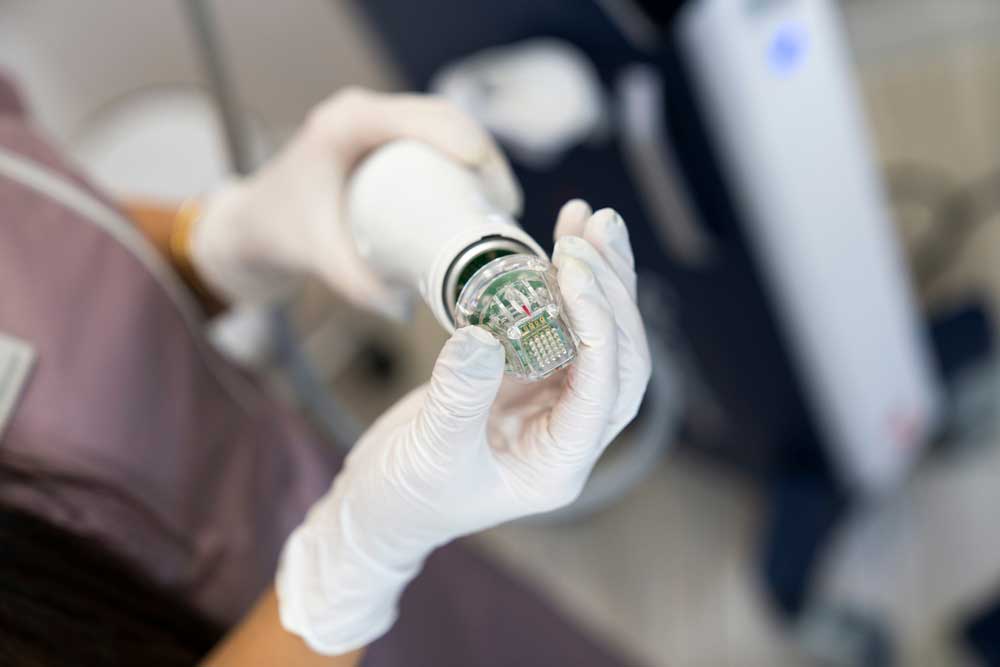
For enhanced results, AboutSkin offers Genius RF microneedling, which combines traditional microneedling with radiofrequency energy for deeper tissue remodeling and skin tightening.
Why Provider Expertise Matters
Microneedling outcomes depend heavily on who performs your treatment. Dr. Cohen has participated in over 100 clinical trials on aesthetic lasers and devices and continues teaching microneedling techniques to dermatologists nationwide. His research on microneedling combined with dermal fillers for acne scar treatment has contributed to evolving best practices in the field.
At AboutSkin, our team brings that same evidence-based approach to every consultation, evaluating your specific concerns and recommending treatment protocols grounded in published research, not trending hashtags.
Ready to Get the Facts Firsthand?
If you’ve been curious about microneedling but held back by misinformation, schedule a consultation at AboutSkin Dermatology and Aesthetics. Our Board-Certified Dermatologists will assess your skin, answer your questions honestly and help you understand what microneedling can realistically achieve for your concerns.Call 303-756-7546 or contact us online to book your appointment at our Greenwood Village office, serving patients throughout the Denver area.