If you deal with melasma, summer probably feels less like a season and more like a standoff. Those brown or grayish patches across your cheeks, forehead or upper lip tend to darken the moment the sun comes out, and Denver makes that harder than most places. At a mile above sea level, our thinner atmosphere lets through stronger ultraviolet light than lower cities, so the same afternoon on a patio does more to your pigment here than it would at the beach.
The good news is that keeping melasma calm through the warm months comes down to a few consistent habits, and the Board-Certified Dermatologists at AboutSkin Dermatology and Aesthetics see the difference they make every year.
Why Summer Turns Up the Heat on Melasma
Melasma starts in the melanocytes, the cells that produce pigment. When those cells get overstimulated, they release extra melanin, and the familiar patches deepen. Three summer triggers hit them at once. Ultraviolet light is the obvious one, but visible light, including the blue light bouncing off screens and reflecting off pavement, drives pigment production too. Heat is the third culprit. Warmth alone can nudge melanocytes into overdrive, which is why standing near a grill or sitting in a hot car sometimes leaves patches looking darker by evening.
Denver’s altitude and roughly 300 days of annual sunshine stack the odds against anyone prone to sun damage. Understanding these triggers is what turns melasma from a mystery into something you can manage.
Rethink Your Sunscreen: Why Tint Is the Secret
Most people already own sunscreen. The issue is that a standard clear SPF blocks ultraviolet rays while letting visible light through, and visible light is a major reason melasma flares. This is where tinted mineral sunscreens earn their place. The iron oxides that give them their color also filter visible light, which clear formulas cannot do. A 2025 randomized investigator-blinded study conducted during summer found that a visible-light-protective tinted sunscreen kept melasma patients from relapsing more effectively than an untinted sunscreen with the same ultraviolet protection (Journal of Cosmetic Dermatology).
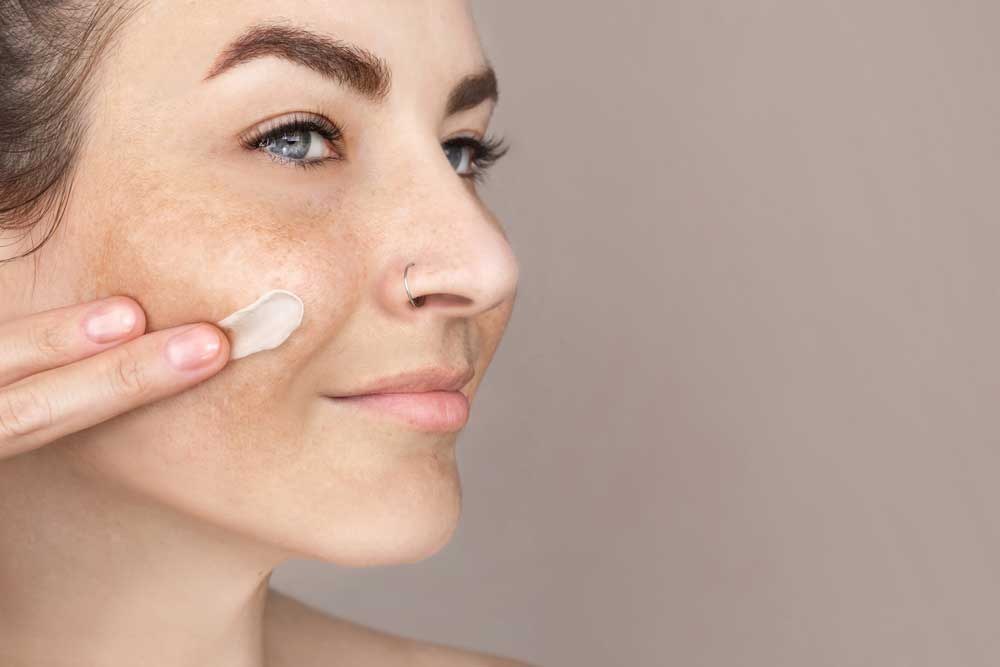
Reach for a broad-spectrum mineral SPF of 30 or higher with iron oxides, apply it every morning even when clouds roll in, and reapply every two hours outdoors. Two finger-lengths of product covers the face and neck. Sunscreen is the one habit that protects the results of every other melasma treatment you might pursue.
Everyday Habits That Keep Melasma in Check
Sunscreen does the heavy lifting, but a handful of small choices back it up. A wide-brimmed hat shades the exact areas where melasma tends to settle, and sunglasses protect the delicate skin around your eyes. Seek shade between 10 a.m. and 4 p.m. when the sun sits highest, and remember that indirect exposure through a car or office window still counts. Because heat is a trigger, ease off hot yoga and long saunas during flare season, and use lukewarm rather than hot water for showers and face washing.
Keep your skincare gentle. Scrubbing, picking or piling on strong actives creates inflammation, and inflammation tells melanocytes to make more pigment. Resist the urge to attack the patches, since aggravated skin usually darkens rather than clears.
Choosing the Right Sun Protection for Melasma
| Sunscreen Type | Blocks UV | Blocks Visible Light | Best for Melasma |
| Clear chemical SPF | Yes | No | Limited help |
| Mineral SPF (untinted) | Yes | Minimal | Better than clear |
| Tinted mineral SPF with iron oxides | Yes | Yes | Strongest option |
Be Gentle: Why Aggressive Treatment Can Backfire
Melasma tempts people into overcorrecting. When patches will not budge, it feels logical to exfoliate harder or layer every brightening product in the cabinet. That approach often deepens the pigment instead. Melasma is a chronic condition that responds to patience and professional guidance far better than to force, especially through summer.
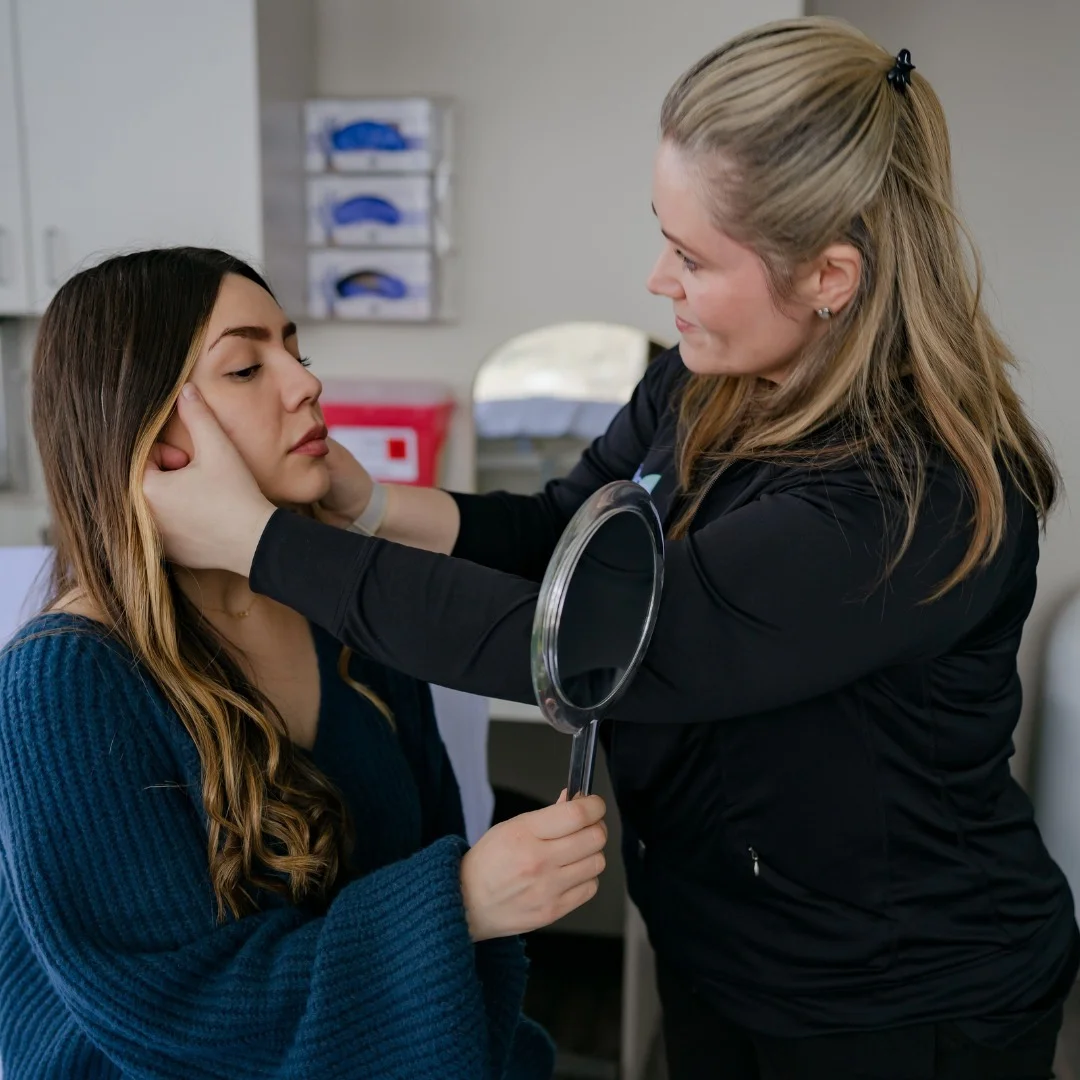
A Board-Certified Dermatologist can build a plan that lightens pigment without inflaming the skin, and can pause any in-office treatment during peak sun months when the risk of rebound is highest. “Melasma rewards consistency over intensity,” says Dr. Joel Cohen, founder of AboutSkin Dermatology and Aesthetics. “The patients who protect their skin daily and avoid overtreating are the ones who keep it under control.”
When to See a Dermatologist in Denver
If drugstore products are not holding melasma steady, professional care gives you options that reach deeper than anything on a shelf. Depending on your skin, treatment may include prescription-strength topicals, chemical peels, IPL therapy or pigment-specific Q-switched lasers, often timed for cooler months and paired with strict sun protection.
Set realistic expectations before you start. Melasma results build over several weeks rather than overnight, and most people need a series of visits. Because the condition is chronic, it tends to return without ongoing maintenance and daily sun protection. That is not a reason for discouragement. It is the reason a dermatologist-led plan works better than trial and error at the bathroom sink.
Dr. Cohen completed fellowship training in lasers and is a Castle Connolly and 5280 Magazine Top Doctor whose research appears in the Journal of Drugs in Dermatology. AboutSkin has also earned a World’s Leading Clinic designation, a certification that cannot be bought and is awarded only after an independent review of patient safety and care.
Give Your Melasma the Cold Shoulder This Summer
Melasma may be stubborn, but it is not the boss of your summer. With the right tinted sunscreen, a little shade and a plan built by Denver’s trusted dermatology team, you can keep those patches quiet while everyone else is chasing sunburns.
Book your consultation at AboutSkin Dermatology and Aesthetics to put a melasma game plan in place before the next heat wave rolls in. For more background before your visit, our team also breaks down the condition in detail in our guide to melasma treatment.