If you have looked into non-ablative fractional laser resurfacing and are curious about how many treatments you’ll need, you have probably run into the same answer over and over: it depends. That is true, but it is not very useful on its own. The real number comes down to what you are treating, which laser is used and how your skin responds along the way.
At AboutSkin Dermatology and Aesthetics in Greenwood Village, just south of Denver, our Board-Certified Dermatologists plan each series around your skin instead of a fixed package. Here is how that decision gets made, so you can walk into your consultation knowing what to ask.
What Non-Ablative Fractional Resurfacing Does for Your Skin
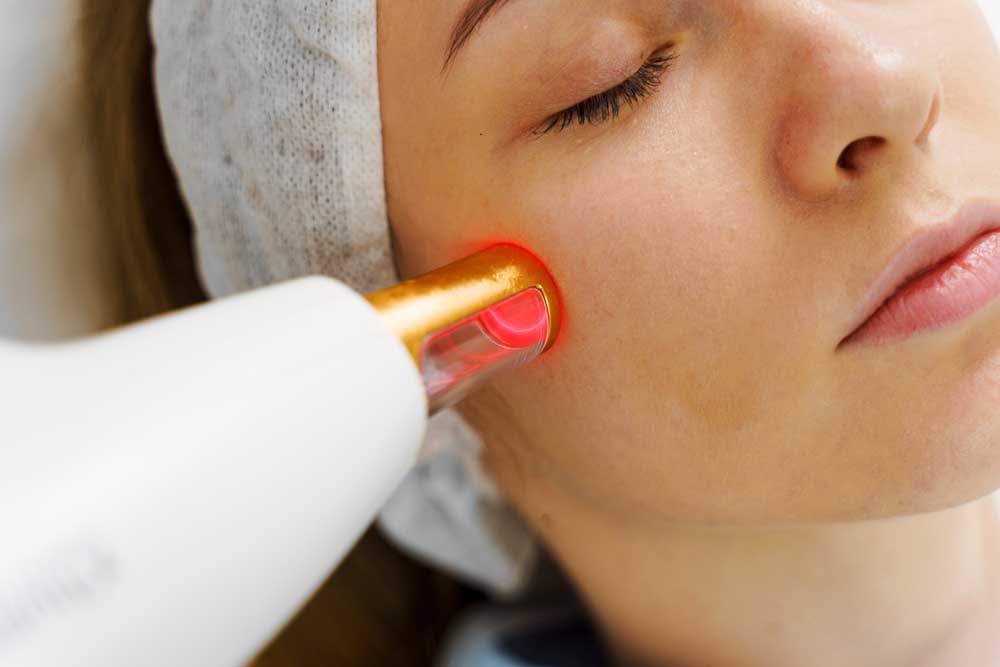
Non-ablative fractional resurfacing uses laser energy to create microscopic columns of controlled heat in the deeper layers of skin while leaving the surface mostly intact. Your body reads those tiny zones as a signal to produce fresh collagen and elastin, which firms texture and evens tone over the following weeks. Because the outer layer stays largely undisturbed, recovery tends to be short and the change arrives gradually. That gradual quality is a big reason session count comes up so often.
You can read the full rundown on our non-ablative fractional laser resurfacing page, but the short version is this: for most concerns, it is buildable work rather than a one-and-done fix.
Why There Is No Single Number: Factors to Consider
Three main variables drive how many sessions you will need:
- Your concerns: Surface-level issues like early sun damage and uneven tone usually respond to a short series, while deeper wrinkles or older acne scars ask more of the skin and the plan.
- The device: A gentle wavelength does less per visit and leans on repetition, while a deeper wavelength does more in one pass with a little more recovery.
- You: Skin thickness, pigment, sun-exposure history and how quickly you heal all shift the math.
None of these can be read off a photo, which is why a hands-on evaluation beats any generic package.
Session Counts by Skin Concern
For pigment-driven concerns like sun damage and dullness, a gentle 1927 nm wavelength is often the pick, and patients commonly do a series spaced a few weeks apart so the brightening builds evenly. For fine lines and early wrinkles, a mid-depth wavelength can shorten the series while still working gradually. For acne scars and other textural scarring, deeper wavelengths reach the layers where scar tissue sits, and these are sometimes done as fewer, stronger sessions with a bit more downtime between visits. Enlarged pores and rough texture land in the middle and respond well to a short, steady series.
The pattern is generally true across the board: the more superficial the target, the more a series tends to help, and the deeper the target, the more a single session can accomplish on its own.
Matching the Laser to Your Goal
Our practice offers treatment with several non-ablative fractional wavelengths, which is part of why a plan can get so specific. Here is how they generally compare.
| Laser | Commonly Targets | Typical Downtime | General Session Tendency |
| Thulium 1927 nm (LaseMD Ultra) | Pigmentation, sun damage, early aging | A few hours of mild redness | Buildable series, spaced a few weeks apart |
| 1340 nm (VYDENCE) | Deeper-set wrinkles, texture | One to two days of redness, possible swelling | Short series, mid-depth work |
| 1540 nm (Icon) | Acne scars, stretch marks | One to three days of recovery | Fewer, deeper sessions |
| 1550 nm (Cynosure) | Moderate to deep wrinkles, stubborn scars | Two to four days of recovery | Fewer sessions, more per visit |
What Dr. Cohen Says About Non-Ablative Fractional Results
This is where experience outweighs any chart. Dr. Joel L. Cohen, Director of AboutSkin Dermatology and Aesthetics, is fellowship-trained in lasers, has led global task forces on laser and energy-based devices, and has authored more than 336 medical articles and book chapters. At a 2025 laser medicine meeting, he drew a clear line between non-ablative and ablative fractional lasers: non-ablative options are effective, though they tend to call for patience and a series of treatments, while ablative fractional lasers deliver more immediate change. A peer-reviewed study and review in the Journal of Drugs in Dermatology describes the same trade-off, noting that non-ablative fractional resurfacing produces modest results per treatment and usually needs multiple sessions. As Dr. Cohen tells patients, the collagen response compounds across a series, so steady beats rushed.
How Sessions Are Spaced and When You See Change
Non-ablative fractional treatments are usually spaced several weeks apart, which gives your skin time to heal and lay down new collagen before the next round. You may notice a fresher feel within the first couple of weeks, but the more visible change tends to show up later. Peak results generally appear around eight to 12 weeks, and skin can keep improving for several months as collagen remodeling continues.
None of this freezes aging in place. Sun exposure and daily habits keep influencing your skin, so many patients fold in periodic maintenance sessions and consistent sunscreen to protect what they have built.
Who Settles on Your Final Number
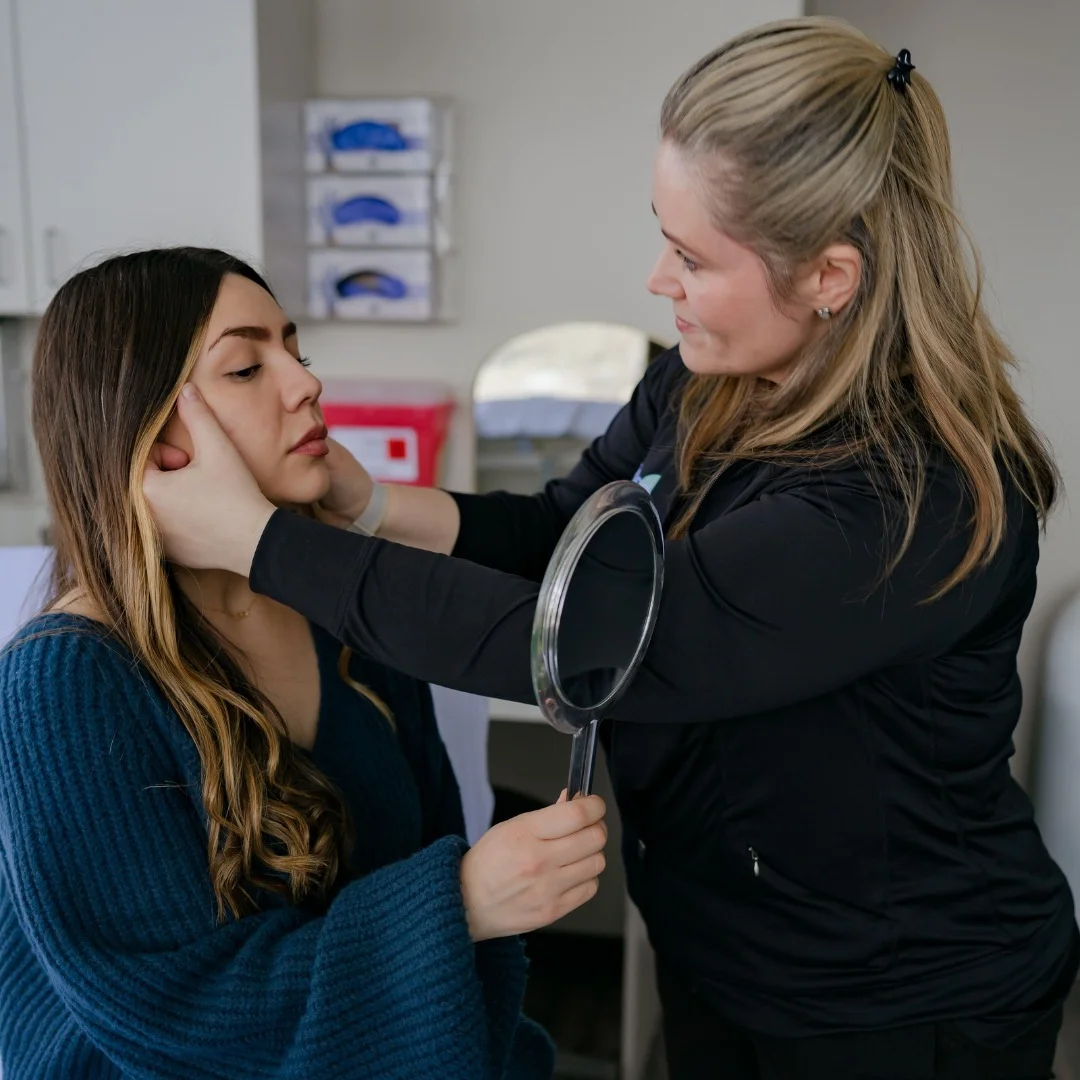
The honest tally comes from a consultation, not a blog. During your visit, one of our Board-Certified Dermatologists examines your skin, talks through your goals and history and then recommends a wavelength and a session range that fit your needs. If a hybrid device like our HALO hybrid fractional laser would reach your goal in fewer visits, they will tell you that too. The plan should match your skin, not a standard menu.
Let’s Run the Numbers on Your Skin in Denver
Curious what your series would look like? Our team can map a non-ablative fractional plan around your skin and your calendar. Call AboutSkin Dermatology and Aesthetics at 303-756-7546 or request a consultation online to get a real number instead of a guess. We see patients from across the Denver area, including Greenwood Village, Lone Tree and Centennial.